As featured in Women’s Health; 13th May 2025

While technology has improved access to information and made life easier in many ways, it requires finding a balance. Smartphones have created both benefits and challenges in daily life.
After having my daughter, during a baby first-aid course, I was told my smartphone was the most powerful tool I could have on me if she suddenly fell poorly – you can ring someone for help immediately and search what to do while waiting. However ease of access to online spending has increased challenges faced by people experiencing gambling addiction and impulsive spending.
The pandemic drastically changed smartphone usage patterns, leading to increased reliance on digital communication to stay in touch with friends and family, and also adapt to working at home. But many people also experienced an increase in screen fatigue.
This can be addresed at work by doing things like blocking out time in your calendar so you know you won’t be called into a zoom meeting, or making space to move, breathe, or just take a break from your screen.
Research has shown associations between problematic phone use and conditions like anxiety and depression, though the causality remains unclear. There are suggestions that this relationship becomes cyclical, where anxiety leads to increased phone use, as with doom scrolling, which in turn fuels more anxiety. Other research shows that doomscrolling can enhance feelings of anxiety.
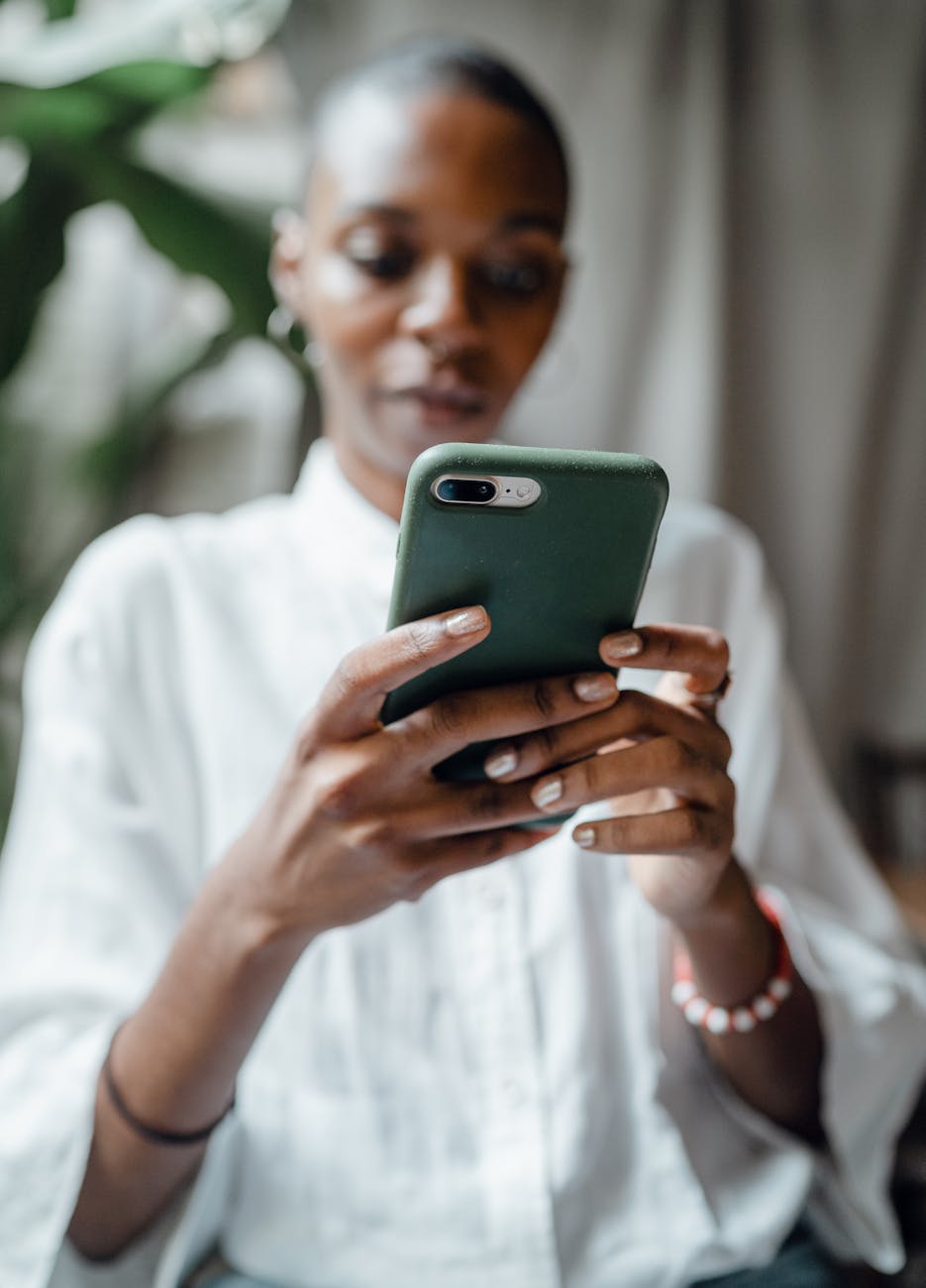
Identifying problematic use is about understanding how and why you’re using your phone. Are you picking it up out of necessity or habit? If you’ve set aside time to reply to messages, do you put your phone down afterwards or do you start scrolling mindlessly?
Setting boundaries with smartphone use is really important. Knowing if you have a tendency to use your phone in ways that don’t benefit you, such as spending money or losing time when scrolling, means you can start to set boundaries with a timer or “buy later” list.
There are some simple practical strategies you can use to start enforcing these boundaries, like blocking out specific times in your calendar for scrolling, messages or checking up on news.
Try turning off notification for everything, except emergency contacts, during working hours and when you go to sleep to avoid getting distracted. Carve out a specific time to respond, such as at lunchtime.
If you find yourself picking up your phone out of habit, try swapping it for another activity. The required conscious decision-making about when and how to use smartphones, but can lead to huge improvements in your wellbeing and provide more balance in your life.
Try the Happy Habits box to learn news ways to build resilience and wellbeing.


 Emma Palmer-Cooper