How to build a better relationship with social media

What does creativity mean to me

Creativity is most traditionally associated with artistic expression, especially when it results in something that is striking in a tangible or obvious way. But from a scientific perspective, creativity is this and more, and it is this broader understanding that I find truly exciting.

To me, creativity represents a mental and emotional space where we are free to explore, to experiment, to fail, and to grow. Creativity is strongly linked to wellbeing, but this is not because artistic individuals are inherently happier. An ability to think creatively helps us to navigate difficult situations more adaptively. It supports emotional regulation, tolerance of ambiguity, and intrinsic motivation. It helps us remain open and flexible when facing uncertainty, and offers outlets for processing negative emotions, which in itself is a form of problem-solving. It reflects resilience, our capacity to try, to persevere, and to approach challenges in novel ways. While outwardly creativity may appear as a perceptible output or innovation, inwardly, it is more about how we think, how we process complexity, and how we respond to uncertainty.

Copyright Emma Palmer-Cooper

In our own research on creativity, we used questionnaires asking participants to rate themselves on traditional forms such as painting, music, and the culinary arts. However, what proved most interesting to me was a final open-ended question that invited people to describe any other ways in which they saw themselves as creative. Every response was different. Participants shared examples from fields as varied as carpentry, sports, farming, accountancy, and broadcasting. In other studies, asking students to engage with simple creative activities led to significant reductions in stress and how they perceived stressful situations. What has emerged is a strong sense that creativity is, at its core, our unique ability to approach and solve problems in a positive way. 

This is why I encourage students to reflect on their own personal expressions of creativity. Recognising and engaging with it can reveal a lot more about your strengths and abilities than you may see on the surface. 

In my own work, writing and creating content about my teaching and research has helped me think about what I do in different ways. I’ve since found that it’s become a very useful tool, finding new angles for my teaching, new research ideas, and new ways of doing work. This freedom to engage with my work in different and creative ways helps me overcome problems and enjoy the process.

Copyright Emma Palmer-Cooper

My personal creative practice of yarn craft has also led to new and exciting opportunities. From developing research ideas, innovating my teaching methods, and delivering science communication events, creativity in one area of my life has influenced my ability to deliver ideas in the other.

As Psychologists, creativity is not limited to what we produce in research, education or practice. Creativity is a dynamic, internal process that shapes how we experience and respond to the world, and how we approach our diverse and vibrant field.

Reflective Practice: A Vital Skill for Every Aspiring Psychologist

Reflective practice is a core skill for any psychologist. Whether you’re aiming to become a therapist, clinical psychologist, or working in research, educational, occupational or forensic settings, it’s a good skill to learn. At its heart, reflective practice involves actively thinking about an experience, particularly one you want to learn from, in order to improve your professional approach.

This means taking the time to pause and examine what happened, your role in it, and how you felt and thought during the experience. It includes evaluating your behaviour, noticing your emotional responses, and analysing your decisions. Through this process, you can identify what went well, what could have been different, and, importantly, what you might change in future similar situations.

Reflection is a structured process of analysing, questioning, and reframing. It enables you to grow not only in self-awareness but also in skill, confidence, and effectiveness. This is known as reflective learning, and it supports continual development across all areas of psychological practice.

Why Reflective Practice Matters in Psychology

While reflective practice is often associated with therapeutic training, it is used across all branches of psychology. Whether you’re working with clients, managing a research team, designing behaviour change interventions, or consulting in organisations, being reflective supports:

  • Improved decision-making
  • Greater empathy and self-awareness
  • Ethical sensitivity and professionalism
  • Ongoing learning and adaptability

Learning to be a reflective practitioner is, therefore, not just a course requirement, it’s a core skill for growth throughout your career as a psychologist.

How Students Can Practise Reflective Thinking

Psychology students are already developing the habits of critical thinking and evidence-based analysis. Reflective practice builds on this by encouraging you to apply that critical lens to your own experiences, whether in academic work, placements, personal interactions, or your own emotional responses to what you’re studying.

Here are some practical ways to start:

Keep a Reflective Journal

Journaling helps you ‘get your thoughts out of your head’ and onto the page. This can reduce cognitive and emotional overload and often leads to greater clarity. Whether you use a traditional notebook, a digital diary, or record voice notes, the format doesn’t matter, what’s important is that you create a space for reflection.

Create a Reflective Portfolio

Over time, build a portfolio that documents your reflections, learning, and professional growth. This might include reflections on lectures, placement experiences, feedback from tutors, or challenges you’ve overcome. It becomes a tangible record of your development, useful for job applications, supervision, or future training.

I made a downloadable PDF Reflection guides for clinical placements and study skills to get you started.

Ask Reflective Questions

Try using prompts such as (adapted from Bennett-Levy et al., 2009):

  • What happened? How did I feel? What did I notice?
  • What did I learn from this? Was it helpful or unhelpful?
  • What would I do differently next time?
  • How did this affect my understanding of myself, others, or psychology more broadly?

These kinds of questions can be used in written reflections, discussions with peers, or in supervision. They are also useful in therapeutic work for practitioners and clients to enhance insight and effectiveness.

Looking Ahead: Applying Reflective Practice to Your Career

In later stages of your training, you’ll begin applying these reflective skills more formally, whether through writing about your research, presenting casework, or preparing for publication. Regardless of your specific career path, the ability to reflect critically and compassionately on your work is what will set you apart as an ethical and thoughtful practitioner.

Being reflective isn’t about being overly self-critical or dwelling on mistakes. It’s about staying open, learning continuously, and improving your practice, not just for your benefit, but for the people and communities you aim to support.

Whether you’re heading into clinical training, research, or any other psychological field, reflective practice is a key skill for professional development. Start now, and let it grow with you throughout your career.

Reflective practice starter pack:

As an Amazon Associate I earn from qualifying purchases.

Reflecting on my research goals

Coping Creatively: Resilience Building Workshops

Getting started: simple craft supplies for wellbeing

(Paid links)

As an Amazon Associate I earn from qualifying purchases.

Creating digital boundaries for your mental health

As featured in Women’s Health; 13th May 2025

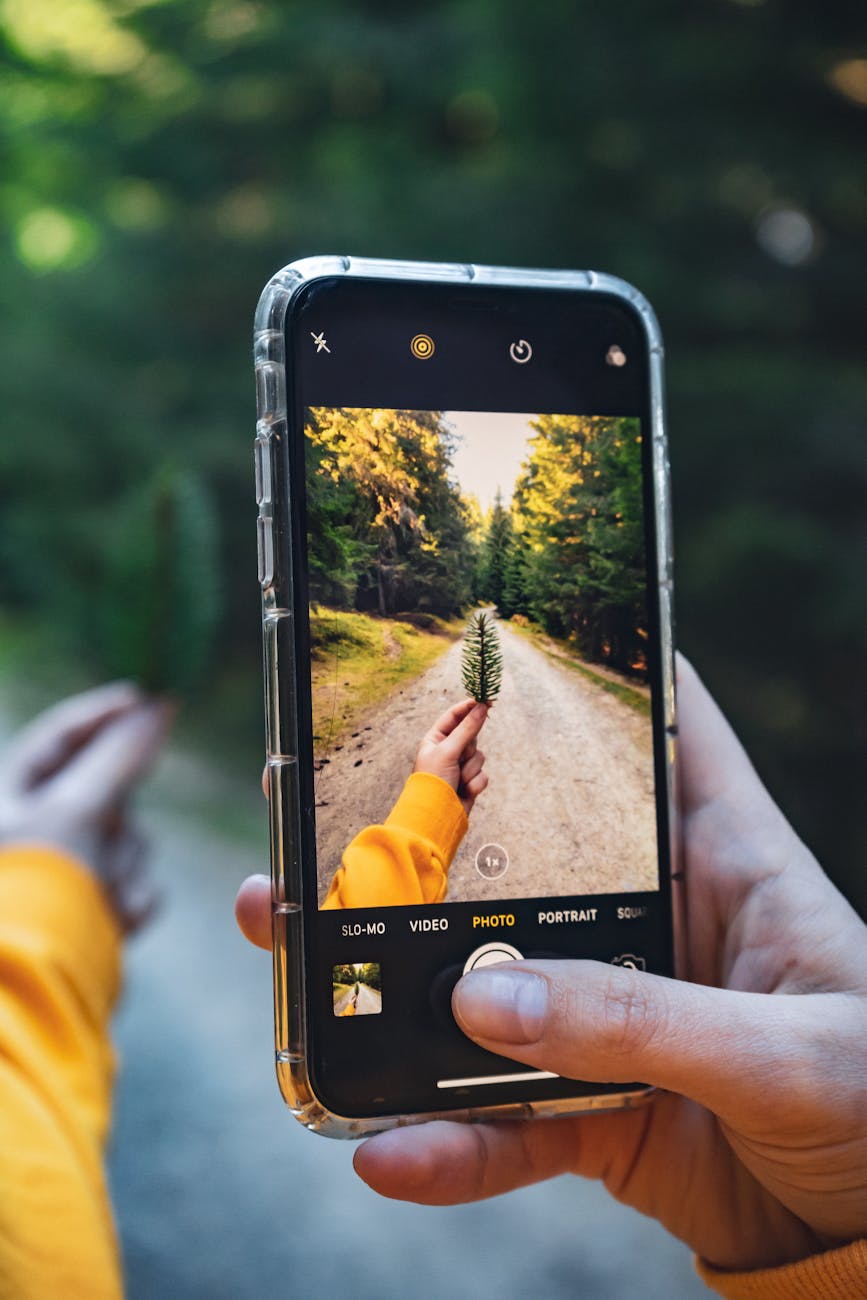
While technology has improved access to information and made life easier in many ways, it requires finding a balance. Smartphones have created both benefits and challenges in daily life.

Identifying problematic use is about understanding how and why you’re using your phone. Are you picking it up out of necessity or habit? If you’ve set aside time to reply to messages, do you put your phone down afterwards or do you start scrolling mindlessly?

Try the Happy Habits box to learn news ways to build resilience and wellbeing.

A Recipe for Moving and Coping

What Is Burnout?

As featured in The Mirror US 15/04/2025

Photo by Photo By: Kaboompics.com on Pexels.com
Photo by Mateusz Dach on Pexels.com

What is stress? And can it be good for you?

As Featured in Your Healthy Living 07/04/2025

Stress arises when a situation demands more than we feel our current circumstances allow. It is often linked to unpredictability, lack of control, significant life changes, or internal conflict.

At work, for example, an unexpected deadline may feel stressful—not because you lack the ability to complete the task, but because it requires more time than you believe you have available.

The key difference between stress being a positive or negative experience is motivation. Eustress is stress that acts as a motivator. For instance, adjusting your schedule to meet a tight deadline may feel like an exciting challenge. In contrast, distress occurs when stress feels overwhelming or discouraging, such as when multiple deadlines collide, making it difficult to cope.

Regardless of whether stress is perceived as positive or negative, it triggers the same physical response. The body releases adrenaline and cortisol into the bloodstream, increasing heart rate, speeding up breathing, and tensing muscles—known as the “fight or flight” response.

This response is adaptive and beneficial in the right circumstances, but the body needs time to recover afterwards. Heart rate and breathing should return to normal, and muscles should relax. However, when stress is prolonged, the body does not get enough time to recover between stress responses. Over time, this can negatively impact blood pressure, sleep, concentration, and the immune system, among other aspects of health.

The key to managing stress is setting boundaries and building healthy habits that support resilience—the ability to adapt and cope with life’s challenges.

Learn more with my Happy Habits Box!

Resilience can be developed through daily habits that promote happiness and wellbeing. When life is going well, there is time and energy to establish these habits, making them invaluable when faced with difficulties. For example, maintaining a good bedtime routine—ensuring enough sleep in a restful environment—helps support recovery when stress arises.

Photo by Daniel Reche on Pexels.com

Engaging in activities you enjoy, such as running, going to the gym, or more relaxing hobbies like knitting, also plays a role. Setting clear boundaries between work and personal life is another crucial strategy, providing a buffer when one area becomes stressful.

Social support is equally important for resilience and overall wellbeing. Feeling safe and supported—both practically and emotionally—enhances our ability to manage stress. Nurturing meaningful friendships or connecting with people through shared interests helps build a supportive network, improving our ability to navigate stressful situations.

Why you should pick up a cosy hobby

Featured in Good Housekeeping here and here

Research has shown that there are several pathways to happiness and good mental wellbeing. One of the most effective is simply doing activities that bring us joy and a sense of fulfilment. But this becomes more effective when we combine our favourite hobbies with other key ingredients for happiness. 

Take knitting, for example. Engaging in activities we truly enjoy helps build resilience—the ability to adapt to challenges and manage stress. When we are fully absorbed in a creative task, we can enter a state of “flow,” where we focus entirely on the present moment rather than dwelling on the past or worrying about the future. This level of engagement leads to greater life satisfaction and productivity. 

Social connection is another key ingredient. Feeling supported and a sense of belonging helps us manage stress more effectively. Hobbies like knitting and crochet provide wonderful opportunities to build friendships based on shared interests, and doing so strengthens our social network. Even better, helping others is another way to achieve happiness, so supporting your network adds to the personal benefits as well!

Having a sense of meaning and accomplishment are other great ways to boost wellbeing. Setting personal goals to work towards in any area of life, including cosy hobbies, provides purpose to our pleasures. Whether you’re learning a new craft or challenging yourself with a new pattern, working towards goals and feeling accomplished boosts self-esteem, positive emotions, and overall wellbeing.

Photo: Emma Palmer-Cooper

The joy of cozy hobbies is that they naturally incorporate many of these ingredients. You can enjoy them alone, or as part of a community. Whether you connect with others in person or online, the benefits remain the same: a greater sense of joy, engagement, purpose, accomplishment, and shared connection support your wellbeing.

So, if you’re looking for a scientifically-backed way to increase your happiness, picking up a cozy hobby might be the perfect place to start!


Mindful Colour Walks

What is a colour walk? 

How does a colour walk work? 

What are the benefits of trying a colour walk? 

How can we be more mindful on a walk to reap more benefits? 

How often should be doing mindful walking

Photo by Vlad Cheu021ban on Pexels.com

Reference: