As featured in Stylist, July 2025
Dating apps can be fun and even a way to improve our wellbeing, but only if we stay in control of how we use them.
Dating apps can be validating
One of our core psychological needs as humans is a sense of belonging and acceptance. Dating apps can offer this through validation of a person’s attractiveness and social worth, as well as finding connection.
When used in a balanced way, this social validation can enhance wellbeing, boost self-esteem, and foster a sense of fulfilment, while also reducing feelings of loneliness.

Dating apps can lead to bad habits
Positive experiences of validation or wellbeing boosts can reinforce scrolling on dating apps, turning it into a habit. If left unchecked, this can lead to excessive use, which may have the opposite effect on wellbeing. Research has shown that compulsive Tinder use is linked to low mood, poor self-esteem, and reduced life satisfaction.
If you notice that scrolling leaves you feeling worse rather than better, it might be time to pause or set limits on how often you use these apps.
How to reset your ego scrolling
The best way to address this is by asking yourself why you’re scrolling, and how you feel in the moment. It’s a process that takes practice and conscious effort, but it pays off when you learn to recognise and change unhelpful habits.
If you notice yourself scrolling on dating apps without a clear purpose, try deliberately switching to something else. Research suggests that positive emotions help us recover more quickly from negative experiences, so choosing something fulfilling can be very effective.
Setting clear boundaries around when and how long you scroll can also help prevent negative patterns. For example, you could pick a specific time of day to open a dating app, allowing yourself a finite window before moving on to something else. Setting an app time limit using your phone’s settings can be an effective way to manage this.
You might also choose to do something enjoyable straight after using the app, giving you more motivation to stick to your boundaries. Alternatively, you could positively reinforce your limits by rewarding yourself when you keep to your set time.
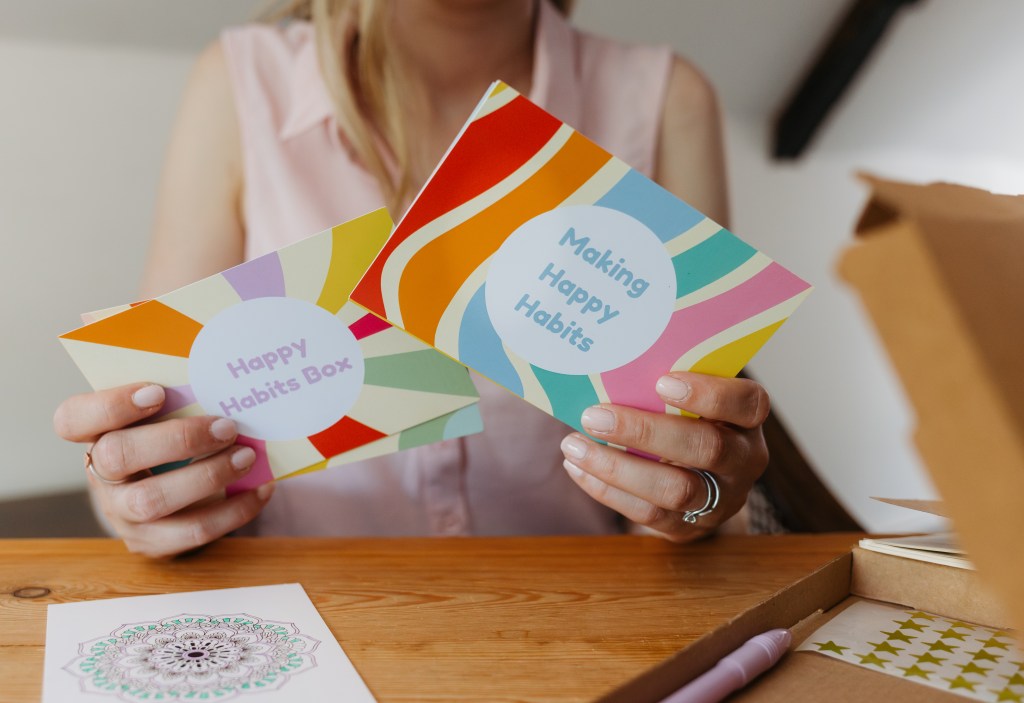
If you need tips for building happy habits, I’ve provided some here!




 Emma Palmer-Cooper