Lately, I’ve been asked a lot about movement and how it helps us cope. So, I’ve gathered up the key ingredients and put together a recipe of sorts. Like any good recipe, it’s flexible: you can mix and match to create your own personalised blend for mental wellbeing.
Move Your Body and Mind
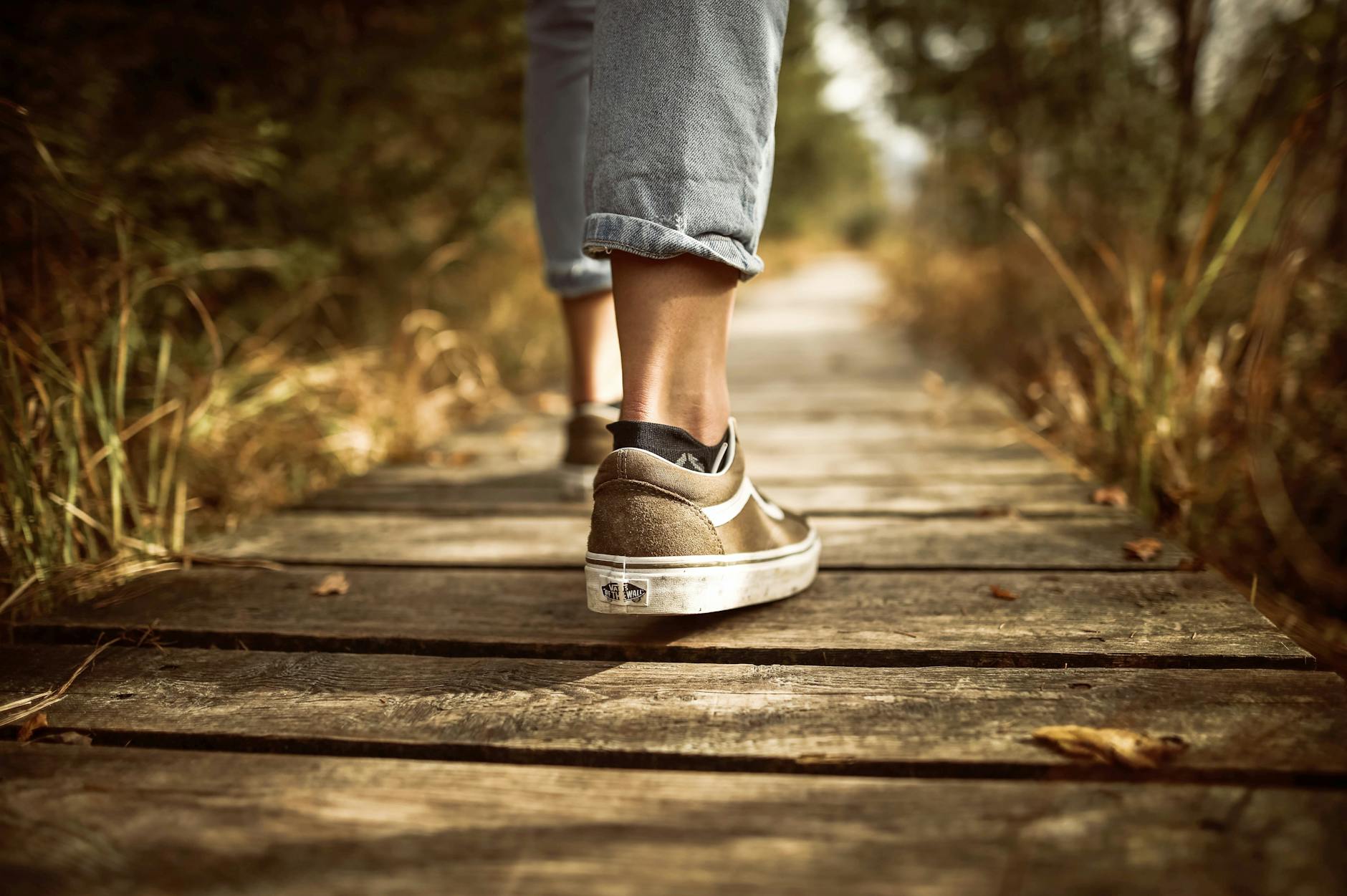
It is clear that physical activity supports heart, joint and respiratory health, but it’s also an excellent way to improve mental wellbeing. Regular movement helps build resilience, our ability to adapt and cope with life’s challenges. Movement doesn’t need to be high-intensity workouts. Gardening, stretching, dancing in your kitchen, it all counts. What matters is getting your body involved in something different.
Find Your Joy
Joy is essential. Research consistently shows that regularly doing things we enjoy enhances and protects our mental wellbeing. Not only does it promote positive emotions like feelings of happiness, but it builds resilience. Choosing movement you actually like is one of the most effective ways to stay motivated and build a happy habit.
Connect to Feel Grounded
Connection is another mental wellbeing must-have. Feeling supported, emotionally and practically, helps us cope with stress more effectively. Doing something active with others combines the benefits of movement and social connection. Whatever you do, spending time with people we enjoy fosters our sense of belonging and reduces loneliness.
Step Into Greenspace
Simply being outside can benefit everyone, and pairing this with movement can enhance our wellbeing further. In our own research with university students, and, found that spending time outside had significant this benefit to mental wellbeing, and this was still clear when we accounted for other well-known positive influences like social connection, exercise, and mental health status.
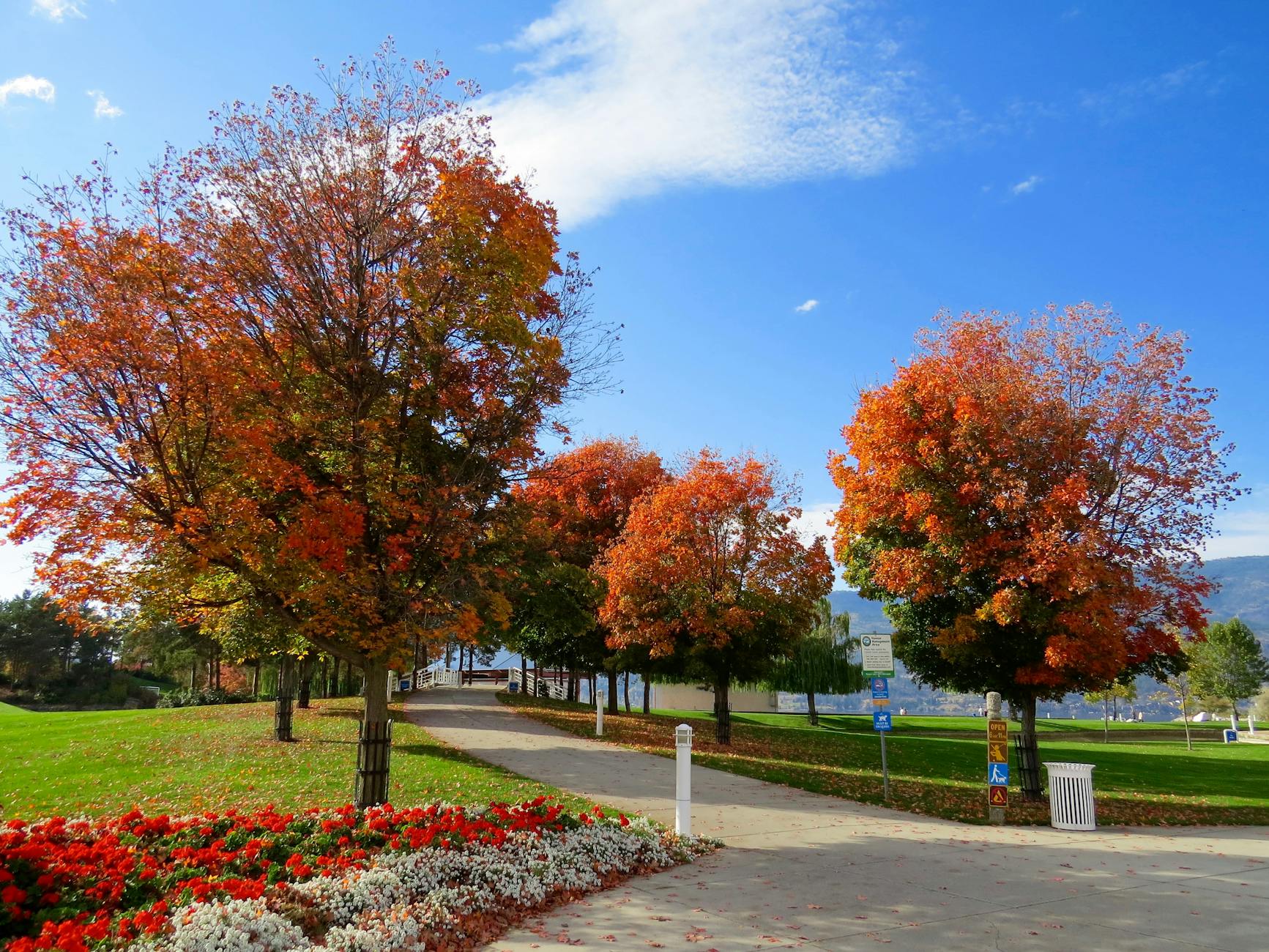
But quality of greenspace matters. Look for places that feel safe, are well maintained, accessible, and offer opportunities to engage in different ways, like walking paths, open lawns, or spaces to sit and reflect. And remember, what makes a space appealing is personal: the “right” spot is the one that feels and looks good to you.
Move Mindfully
Mindfulness is consciously noticing the present moment without judgement. When we fully pay attention to our current environment, we can shift focus away from past and future worries. Combining this with movement in the outdoors makes for another wonderfully positive combination to promote our wellbeing.
Research shows that as little as 5–6 minutes of mindful walking can lead to noticeable improvements. Physically, it can reduce blood pressure and increase walking speed and ability. Psychologically, it supports better mood, reduces stress, distress, and anxiety, whilst increasing people’s state of mindfulness.
To walk mindfully, pay close attention to your surroundings, your breathing, your footsteps, and even the thoughts that come and go. Try not to label these experiences as good or bad, just notice them.
Flow and Focus
If mindful walking doesn’t come easily, you could try a colour walk. Intentionally pick out and notice details and colours in your surroundings as you walk. This helps keep you present and prevent mind-wandering. Alternatively, you could try mindful photography, by taking pictures of things that catch your attention or hold personal meaning. Later, reflect on those images: What does this photo represent? Why is it meaningful to me? These small moments of reflection can help cement positive experiences and deepen their impact.
Focusing on nature, even in our own garden, can help focus attention and bring about a sense of calm. Activities we enjoy and lose ourselves in, where time seems to slip away, are often described as “flow states,” and these have also been linked to improved mood and wellbeing.

Movement isn’t just about fitness, it’s a way of coping, connecting, and cultivating wellbeing. Whether it’s a walk with a friend, a solo stroll in the park, or a reflective photo session, what matters most is that it feels good and works for you.
Try This: Happy Habits & Positive Postcards
If you’re looking to build these practices into daily life, check out the Happy Habits Box – a toolkit designed to help you find joy in the everyday. Positive postcards provide ideas and guidance for small, everyday activities to promote positivity.






 Emma Palmer-Cooper