The Science of Weighted Blankets

How do weighted blankets work?

How do weighted blankets help?

References

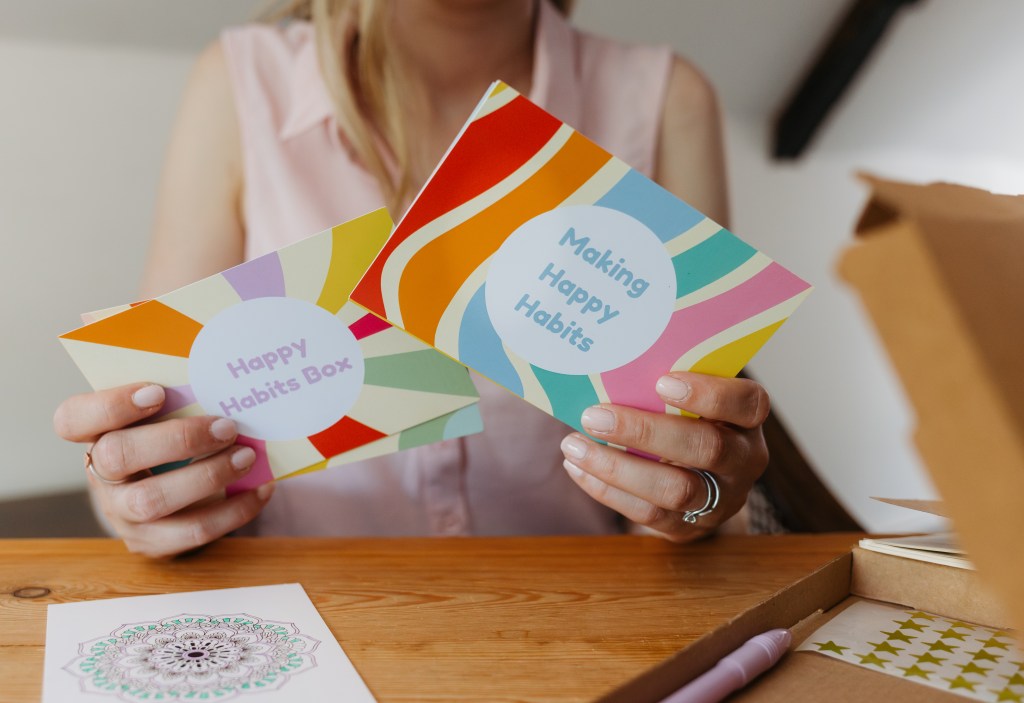
Making Happy Habits

  • Be clear
  • Be positive
  • Be specific
  • Be Practical
  • Reward yourself

How to achieve this?

Good Gossip, Bad Gossip: The Science of Social Storytelling

As featured in PopSugar 9/09/2025

I was asked to comment on the role of gossip, and how this might be a positive tool and exchange of information after a wedding, so here’s what I found:

What is gossip really?

Gossip is often dismissed as trivial or overtly negative, but it has actually served a longstanding social purpose. Gossip is how we exchange information, reinforce social norms, and strengthen interpersonal bonds.

It does this by fostering connection between individuals and also wider social groups. Gossip acts as a form of social currency. The exchange of social information supports social cooperation in large groups (when done in a positive way) can build trust. As people share positive gossip they bond and strengthen ties within a group. 

Is wedding gossip good?

In the context of a wedding, positive gossip serves to strengthen group identity as attendees, and as important people in the lives of the newly married couple. Gossip also spreads social information, meaning people who weren’t able to attend, or missed particular parts of the wedding, are able to catch up through sharing stories. It might even help the newlyweds, who can’t be everywhere all at once, enjoy more aspects of their wedding. 

Why do we gossip?

Research has shown that people who are more central to a social groups with are more likely to share positive gossip, and also more likely to be the subject of positive gossiper. Negative gossip tends to be about people who are less central to a group, and can lead to them being shut out further. 

Overall, positive gossip builds connection whereas negative gossip can negatively impact a group and its individual members. 

When can gossip go bad?

While gossip can foster connection, it’s important to acknowledge that it can also cross boundaries, especially when the consequence is to undermine others. Research shows that negative gossip tends to focus on people with lower social status or fewer connections within a group, which can lead to exclusion. In these cases, gossip becomes less about bonding and more about reinforcing hierarchies or putting someone in a negative light. 

How to stay positive with gossip

To keep gossip positive and constructive, it is context and intent that matter. Gossip that celebrates others, shares joyful updates, or reinforces shared values is good for a group. But when gossip veers into criticism or speculation, especially without a person’s presence or consent, it risks becoming a form of social undermining.

In private scenarios, expressing concerns or frustrations can be valid and even necessary. In these situations it’s best to speak with empathy, and focus on behaviours rather than a person’s character. You can also think about the purpose of such a conversations, is it looking for advice? And ideally it should be done with someone trusted who won’t let the conversation lead to any unintended harm.

Encouraging positive storytelling and sharing helps ensure gossip remains a force for connection, not exclusion.

Book Recommendations

I love reading so here are a few recommendations for Mental Health, Wellbeing and Psychology:

The Man Who mistook his wife for a hat by Dr Oliver Sacks

The Frog Who Croaked Blue: Synesthesia and the Mixing of the Senses by Dr Jamie Ward

Presence: The Strange Science of the Unseen Other by  Ben Alderson-Day

Resilience: The Science of Mastering Life’s Greatest Challenges by  Steven M. Southwick, Dennis S. Charney, and Jonathan M DePierro.

Brain Boost: Healthy Habits for a Happier Life by  Dr Barbara J. Sahakian, and Dr Christelle Langley

Braintenance: A scientific guide to creating healthy habits and reaching your goals by Dr Julia Ravey (read my review here)

It’s all in your head: Stories from the Frontline of Psychosomatic Illness by Suzanne O’Sullivan

The Balanced Life: Using Strategies from Behavioral Science to Enhance Wellbeing by M. Joseph Sirgy

As an Amazon Associate I earn from qualifying purchases.

Are you Ego scrolling

As featured in Stylist, July 2025

Dating apps can be fun and even a way to improve our wellbeing, but only if we stay in control of how we use them.

Dating apps can be validating

One of our core psychological needs as humans is a sense of belonging and acceptance. Dating apps can offer this through validation of a person’s attractiveness and social worth, as well as finding connection.

When used in a balanced way, this social validation can enhance wellbeing, boost self-esteem, and foster a sense of fulfilment, while also reducing feelings of loneliness.

Dating apps can lead to bad habits

Positive experiences of validation or wellbeing boosts can reinforce scrolling on dating apps, turning it into a habit. If left unchecked, this can lead to excessive use, which may have the opposite effect on wellbeing. Research has shown that compulsive Tinder use is linked to low mood, poor self-esteem, and reduced life satisfaction.

If you notice that scrolling leaves you feeling worse rather than better, it might be time to pause or set limits on how often you use these apps.

How to reset your ego scrolling

The best way to address this is by asking yourself why you’re scrolling, and how you feel in the moment. It’s a process that takes practice and conscious effort, but it pays off when you learn to recognise and change unhelpful habits.

If you notice yourself scrolling on dating apps without a clear purpose, try deliberately switching to something else. Research suggests that positive emotions help us recover more quickly from negative experiences, so choosing something fulfilling can be very effective.

Setting clear boundaries around when and how long you scroll can also help prevent negative patterns. For example, you could pick a specific time of day to open a dating app, allowing yourself a finite window before moving on to something else. Setting an app time limit using your phone’s settings can be an effective way to manage this.

You might also choose to do something enjoyable straight after using the app, giving you more motivation to stick to your boundaries. Alternatively, you could positively reinforce your limits by rewarding yourself when you keep to your set time.

If you need tips for building happy habits, I’ve provided some here!

How to build a better relationship with social media

What does creativity mean to me

Creativity is most traditionally associated with artistic expression, especially when it results in something that is striking in a tangible or obvious way. But from a scientific perspective, creativity is this and more, and it is this broader understanding that I find truly exciting.

To me, creativity represents a mental and emotional space where we are free to explore, to experiment, to fail, and to grow. Creativity is strongly linked to wellbeing, but this is not because artistic individuals are inherently happier. An ability to think creatively helps us to navigate difficult situations more adaptively. It supports emotional regulation, tolerance of ambiguity, and intrinsic motivation. It helps us remain open and flexible when facing uncertainty, and offers outlets for processing negative emotions, which in itself is a form of problem-solving. It reflects resilience, our capacity to try, to persevere, and to approach challenges in novel ways. While outwardly creativity may appear as a perceptible output or innovation, inwardly, it is more about how we think, how we process complexity, and how we respond to uncertainty.

Copyright Emma Palmer-Cooper

In our own research on creativity, we used questionnaires asking participants to rate themselves on traditional forms such as painting, music, and the culinary arts. However, what proved most interesting to me was a final open-ended question that invited people to describe any other ways in which they saw themselves as creative. Every response was different. Participants shared examples from fields as varied as carpentry, sports, farming, accountancy, and broadcasting. In other studies, asking students to engage with simple creative activities led to significant reductions in stress and how they perceived stressful situations. What has emerged is a strong sense that creativity is, at its core, our unique ability to approach and solve problems in a positive way. 

This is why I encourage students to reflect on their own personal expressions of creativity. Recognising and engaging with it can reveal a lot more about your strengths and abilities than you may see on the surface. 

In my own work, writing and creating content about my teaching and research has helped me think about what I do in different ways. I’ve since found that it’s become a very useful tool, finding new angles for my teaching, new research ideas, and new ways of doing work. This freedom to engage with my work in different and creative ways helps me overcome problems and enjoy the process.

Copyright Emma Palmer-Cooper

My personal creative practice of yarn craft has also led to new and exciting opportunities. From developing research ideas, innovating my teaching methods, and delivering science communication events, creativity in one area of my life has influenced my ability to deliver ideas in the other.

As Psychologists, creativity is not limited to what we produce in research, education or practice. Creativity is a dynamic, internal process that shapes how we experience and respond to the world, and how we approach our diverse and vibrant field.

Trinket culture and the psychology of collecting

As featured in Tyla 11/07/2025

In recent years, there’s been a noticeable rise in what some call ‘trinket’ culture, small, often cute collectible items such as Sonny Angels, Jellycats, and other niche figurines or plush toys.

Psychological Needs and the Role of Collecting

Collecting can meet several core psychological needs that support wellbeing. According to positive psychology, our wellbeing is maintained and improved by positive emotions, engaging activities, meaningful relationships, a sense of purpose, and feelings of achievement.

At its most basic level, interacting with items we enjoy or find meaningful, like a favourite plush or figurine, can elicit feelings of pleasure, comfort and satisfaction. These positive emotional experiences are then positive reinforcement; when an activity makes us feel good, we’re more likely to repeat it. So, if owning or searching for a particular trinket brings joy, the desire to continue collecting grows.

Collecting also serves a social function. Research shows that shared interests and hobbies promote social connection and can lead to communities that offer emotional support, which is a key factor in coping with life’s challenges. Online platforms, in particular, have made it easier to connect with others who share the same niche interests, contributing to a sense of belonging.

Nostalgia, Identity and Emotion Regulation

Nostalgia likely plays an important role, too. Engaging with nostalgic objects or activities can help maintain a stable sense of identity and support emotional regulation, especially during periods of stress or uncertainty. For Gen Z, who’ve grown up during a time of global instability twinned with increasingly online lives, these small tokens of joy may offer comfort, grounding, and even a link to a simpler or idealised version of the past.

Potential Downsides of Collecting

While collecting can be beneficial, it’s not without its risks. When a hobby begins to dominate someone’s life, either taking up significant space, becoming financially burdensome, or fostering unhealthy competition, it may negatively affect wellbeing. Social dynamics around collecting can become toxic if they shift from shared joy to comparison, competition, or status. In some cases, collecting may also serve as a form of avoidance, distracting from deeper emotional or psychological challenges, rather than helping to resolve them.

A Timeless Human Habit

The rise of online communities, social media, and digital marketplaces has made collecting more visible, more social, and more accessible. Trends may shift, and the specific items collected will evolve, but collecting, whether for joy, comfort, meaning, or connection, is likely here to stay. Trinket culture may just be the latest expression of a long-standing human habit.


Braintenance – Review

Braintenance: How to Create Healthy Habits and Reach Your Goals – Dr Julia Ravey

Getting over your to do list burnout

Making Intentional Time for Yourself

Set Boundaries Around Chores

Spend Meaningful Time with Others

The Power of ‘Slow and No’

Practicing Self-awareness